
College Traffic Ticket Records
College traffic ticket records usually run through the Fairbanks court family, so the safest first step is the official court directory and not a broad records search. CourtView can help confirm whether a citation was filed, but the Fairbanks clerk still controls the file, the hearing path, and the copy request line. If you need College traffic ticket records for a citation, a payment question, or a hearing notice, start with the Fairbanks court pages and then move to the state tools that explain what the public record does and does not show.
College Traffic Ticket Records Search
The official Fairbanks court directory is the strongest local source for College traffic ticket records. It lists the Fairbanks courthouse address at 101 Lacey Street, the customer service line at (907) 452-9277, the traffic line at (907) 452-9238, and the records fax at (907) 452-9330. Those details matter because College is tied to the same Fairbanks court access path used by the larger area. When a traffic ticket has already moved into court, that directory gives you the office that can actually confirm the file.
The statewide CourtView case search is the best second step. CourtView can show a public case number, a status line, or financial information, but the Alaska Court System says it is not a criminal history report and does not always show every case. That matters for College traffic ticket records because the public search is useful for speed, not for completeness. If the result is missing or confusing, the court directory and the clerk's office still control the real answer.
The CourtView information page adds the context the search page cannot. It explains public index limits, financial entries, and why some cases do not stay online. College traffic ticket records are easier to handle when the search and information pages are used together, then checked against the local court contact if anything still looks unclear.
The Fairbanks court directory at courts.alaska.gov/courtdir/4fa.htm is the core local route for College traffic ticket records and related clerk questions.
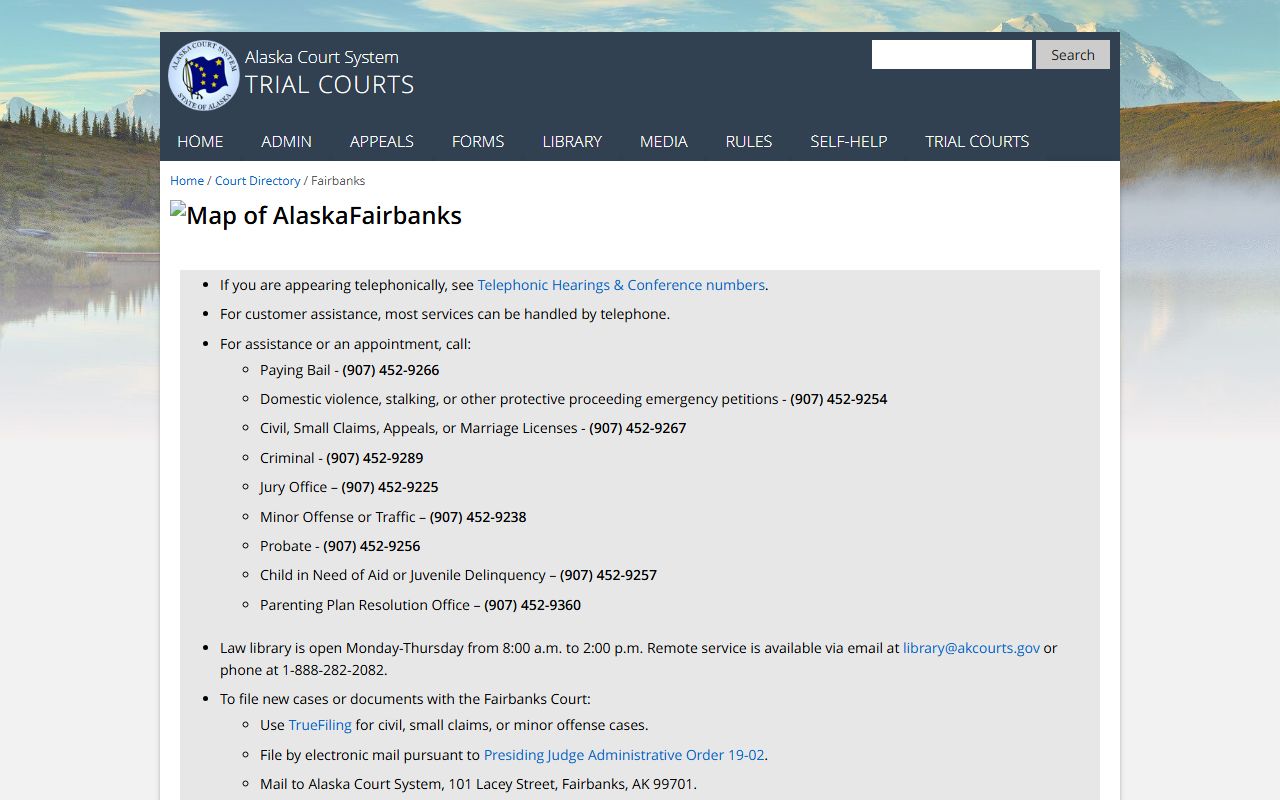
That image fits because College court access is routed through the same Fairbanks office and traffic line.
The statewide CourtView case search page is still the fastest first public lookup when you only have a ticket number, case number, or party name.
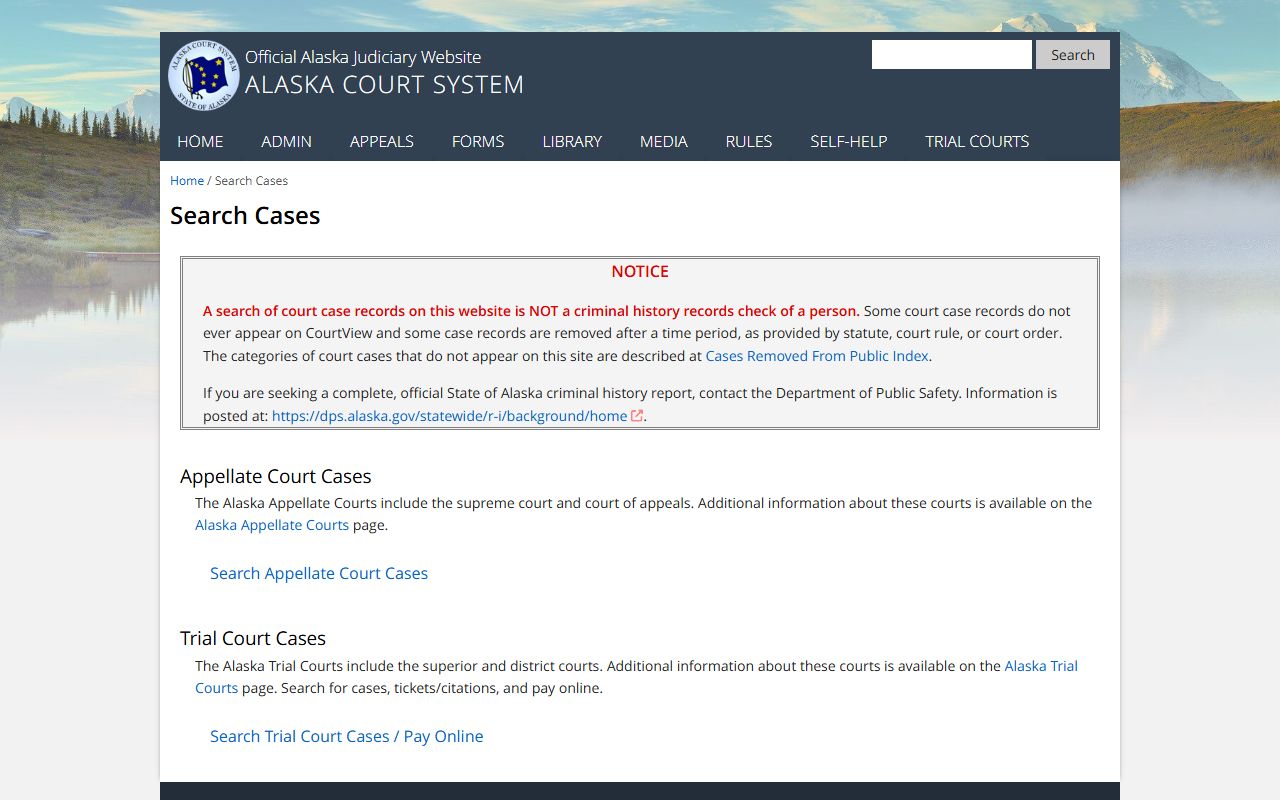
Use that search first, then move to the clerk if you need a copy or if the public result looks incomplete.
College Traffic Ticket Records Hearings
The Alaska Court System telephonic hearings page matters for College traffic ticket records because Fairbanks-area cases often use a shared conference line with courtroom-specific meeting IDs. That means the hearing process is not just a date and time. It is also a phone route. When a College ticket moves from a public search result into an actual court appearance, the hearing page is the official source for how that appearance works.
The hearings page is especially useful when the ticket has already reached the calendar and the public case search no longer feels like enough. One page tells you whether the case exists. The other tells you how to show up. That is the practical split. A College traffic ticket record can stay simple for a while, then quickly become a remote appearance problem. The hearing page keeps that next step grounded in official Alaska instructions.
Hearing access also works best when it is paired with the Fairbanks directory. The directory gives you the office that can verify the case. The hearing page gives you the line and the meeting IDs for the actual session. That is how College traffic ticket records stay tied to the correct courtroom instead of the wrong conference line or the wrong date.
College Traffic Ticket Records Payments
The Alaska Court System payment information page explains how traffic and other minor offense tickets are handled statewide. That matters for College traffic ticket records because the right payment path depends on the citation. Some tickets can be paid. Some require a hearing. Some city-issued citations may need a different office. The payment page explains those categories and keeps the ticket from being sent to the wrong place.
The CourtView information page helps again here because payment is not just about the current fine amount. It can also involve balances, transfers, and public search limits. A College traffic ticket record may look resolved on one page and still need more review on another. That is why the statewide payment page and the CourtView information page belong in the same search set as the Fairbanks directory.
College traffic ticket records are easier to handle when the search, hearing, and payment steps stay in order. Search first. Read the payment rules second. Call the clerk if the case still looks uncertain. That keeps the file on official Alaska pages from the beginning to the end of the process.
The official court payment information page is the best statewide guide once College traffic ticket records move beyond a simple search.
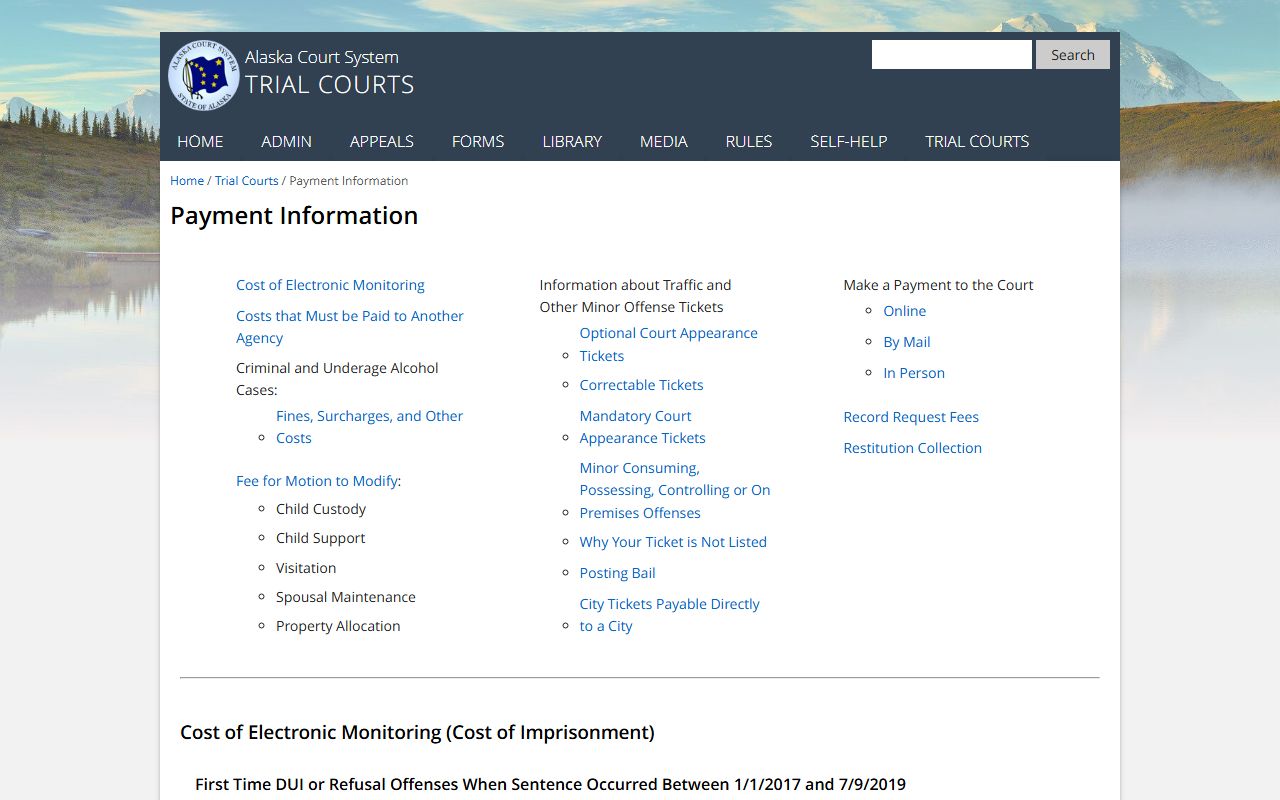
That image works because the payment rules come from the same Alaska court guidance even when the city page is localized.
College Traffic Ticket Records Forms
The Alaska Court System forms catalog matters whenever College traffic ticket records require more than a quick public status check. A response, a copy request, or another filing should use the court's own forms. That keeps the paperwork official and helps the clerk receive what the court actually expects. It is the right follow-up once the search turns into a court task.
The Alaska DMV points page at dmv.alaska.gov/driver-services-adjudication/points/ belongs in the same search set because a moving traffic conviction can affect the driver's record long after the court case is closed. Enough points can lead to suspension or revocation. That means College traffic ticket records should be read with both the court and the DMV in mind. The main DMV page at dmv.alaska.gov gives the broader driver-services route if the citation turns into a licensing issue.
College traffic ticket records make the most sense when the court search, court forms, and DMV consequences stay in one view. That keeps the file official, local, and useful before you make the next move.
The Alaska Court System forms catalog is the official follow-up for College traffic ticket records when a search turns into a request or filing.
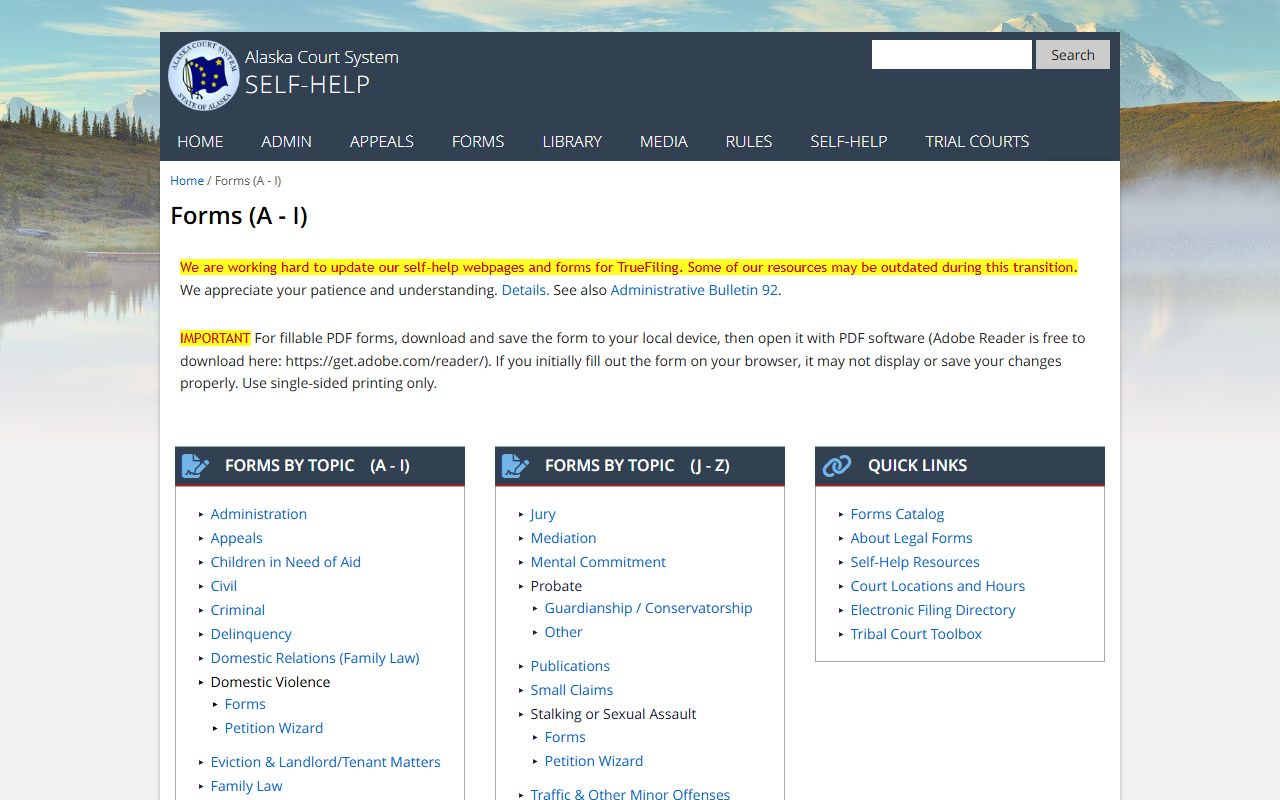
That page helps when the next step is paperwork instead of another search.
The Alaska DMV points system page explains how a College traffic ticket can affect the driving record after the court matter ends.
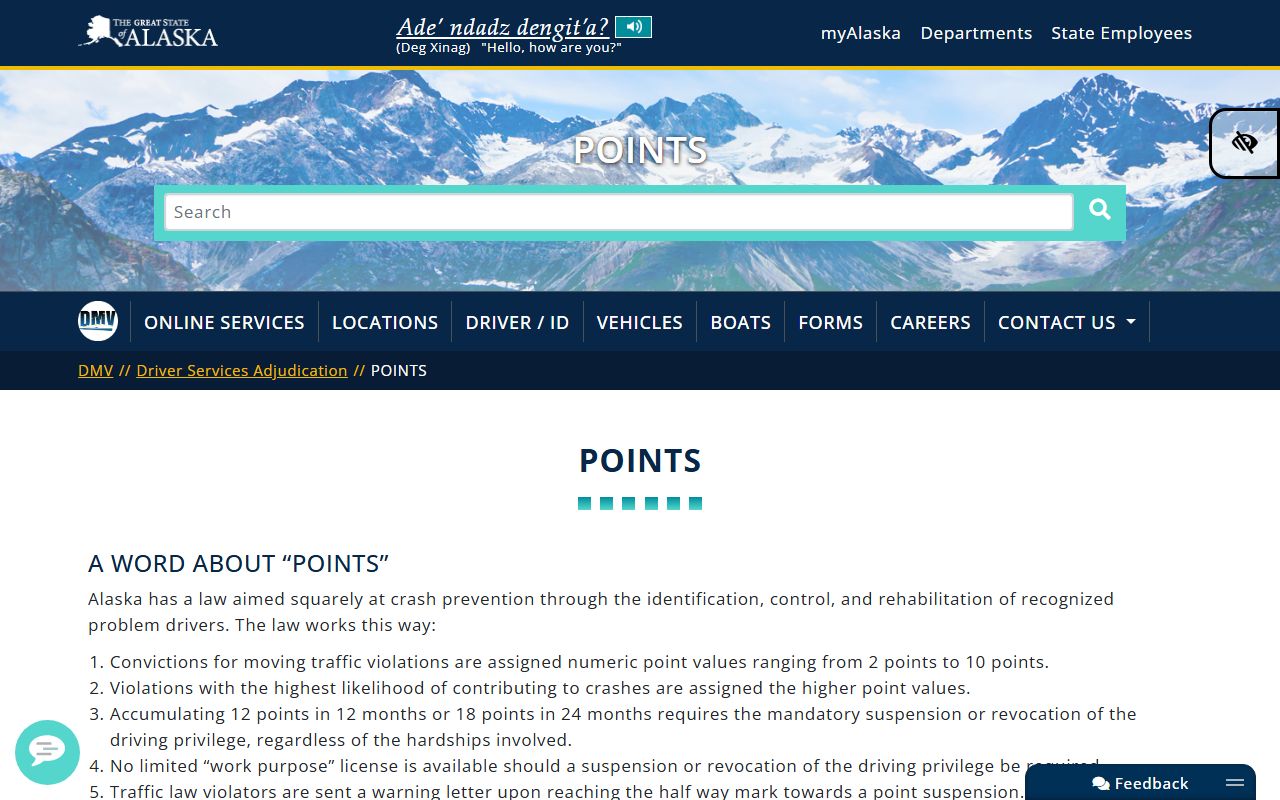
Use it when the citation may matter beyond the court file and into the driver's license record.