
Search Knik-Fairview Traffic Ticket Records
Knik-Fairview traffic ticket records usually route through the Palmer court family, so the fastest search starts with the local court directory and moves outward from there. If you need a live status check, a hearing line, a payment path, or a copy request, begin with the Palmer office facts first. Knik-Fairview traffic ticket records can be fresh, old, or already tied to CourtView. That is why a clean search path matters. It helps you find the right desk, avoid the wrong office, and match the ticket to the right next step without guesswork.
Knik-Fairview Traffic Ticket Records Search
The Palmer Court Directory at courts.alaska.gov/courtdir/3pa.htm is the main local anchor for Knik-Fairview traffic ticket records. It lists the Palmer courthouse at 435 South Denali Street, the customer service line, the records fax, and the records email. Those details matter because the same office handles many traffic questions for the Mat-Su area. If you are trying to find a citation, the court directory tells you where the file belongs and how to reach the clerk before you spend time on the wrong number.
The statewide case search tool at CourtView case search is the next stop when you want to see whether Knik-Fairview traffic ticket records are already public. CourtView can show a case number, party name, or docket status. It does not replace the full paper file, and it is not the same thing as a background check. The companion page at CourtView information explains that some balances can move to collections and that not every detail appears online. That makes the directory and CourtView work together.
Timing also matters. The Palmer clerk office is open Monday through Friday, but it closes Wednesday mornings from 8 to 9 a.m. The court directory also notes that protective-order and mental-commitment petitions are processed in person until 3:45 p.m., and later faxed or emailed filings move to the next business day. Even though those rules are not traffic-specific, they tell you how the office runs. If your Knik-Fairview traffic ticket records search needs a live person, a copy request, or a quick confirmation call, those time windows can change the outcome of the day.
The Palmer court directory image from the official Palmer court page fits Knik-Fairview traffic ticket records because that office is the first stop for the local file.
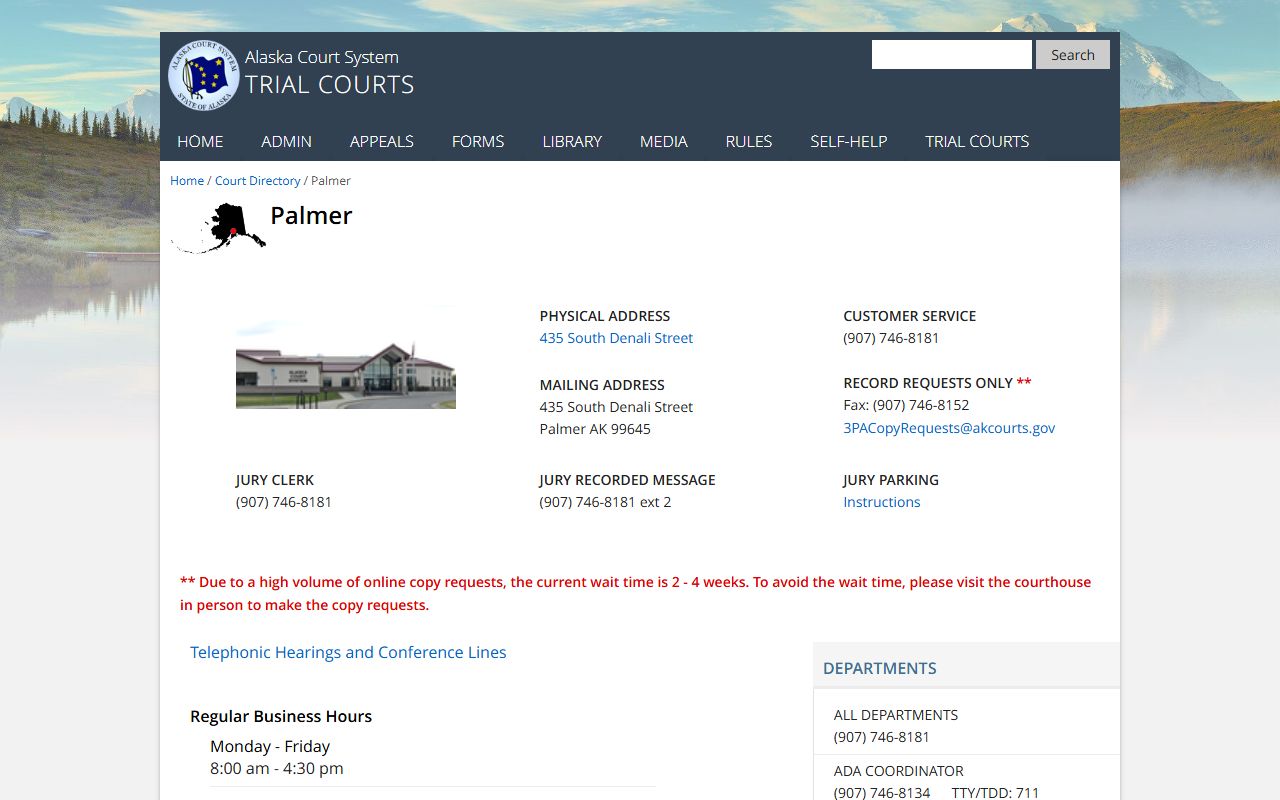
That image works well here because the directory is where most Knik-Fairview traffic searches begin, especially when you need the records desk or the clerk schedule.
The CourtView case search image from the Alaska Court System case search page shows the next step when a Knik-Fairview ticket is already part of a public record.
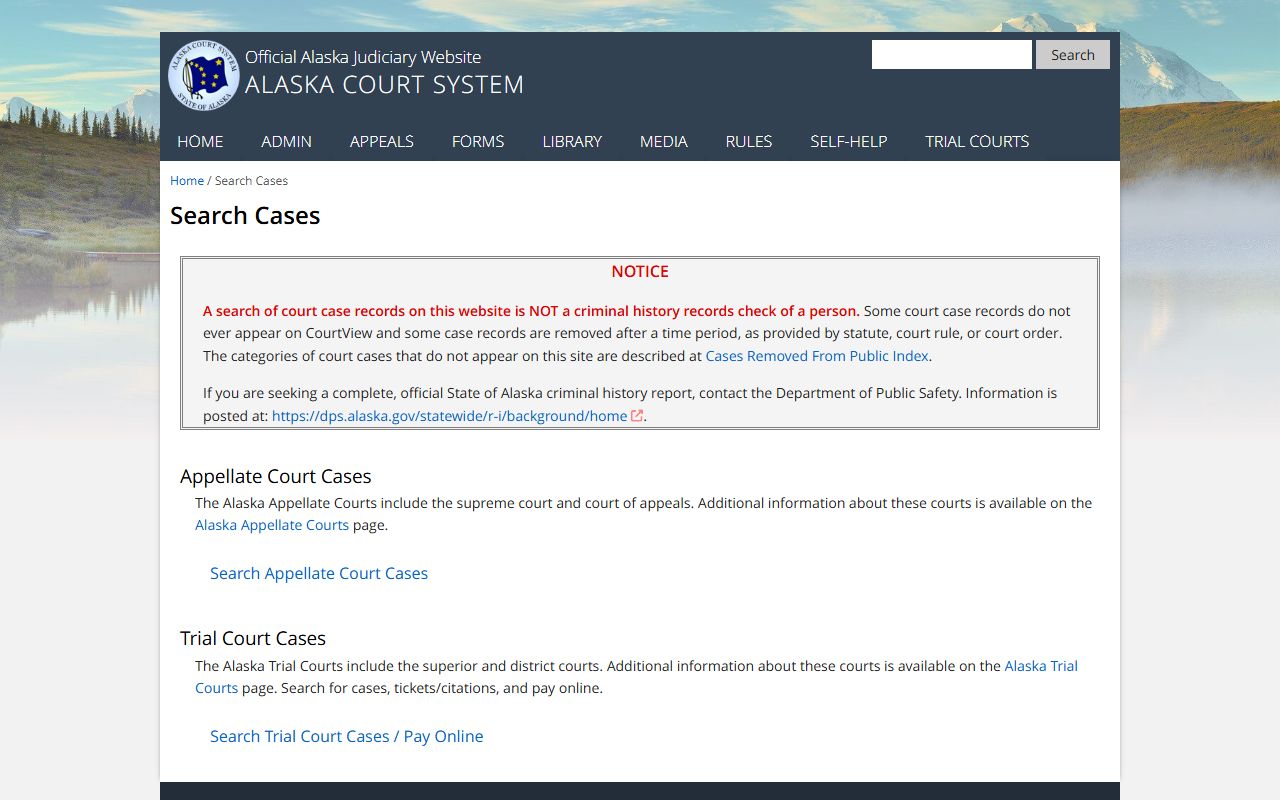
That fallback image keeps the page on an official state source while showing the public search step that often follows the local directory check.
Knik-Fairview Traffic Ticket Records Hearings
The hearings page at courts.alaska.gov/trialcourts/hearings.htm is the official route when a Knik-Fairview traffic ticket records search turns into a phone hearing. The Mat-Su family uses the toll-free conference line 1-888-788-0099, and the in-custody docket uses Meeting ID 283 884 5637. That matters because the court can be closed to the public while the hearing still goes forward. If the ticket has already been set, the hearing page tells you how to connect before the call starts.
Knik-Fairview traffic ticket records can also move into the regular court calendar. The hearings page says out-of-custody arraignments are heard in person on Tuesdays at 8:30 a.m., and telephonic hearing requests are handled by filing TF-710. That is a simple but useful split. It tells you whether you are dealing with a live court date, a phone bridge, or a request that still needs paperwork. The Palmer directory gives you the clerk facts. The hearings page gives you the actual call path.
If you are not sure whether the case is in hearing mode yet, start with CourtView, then call the local office. A quick check can tell you whether the file is still waiting to be posted, already set for a hearing, or ready for a clerk step. Knik-Fairview traffic ticket records are easier to manage when you read the directory and the hearings page together instead of treating them as separate problems.
The hearings page from the Alaska Court System is the best source when Knik-Fairview traffic ticket records need a call-in date or a telephonic hearing path.
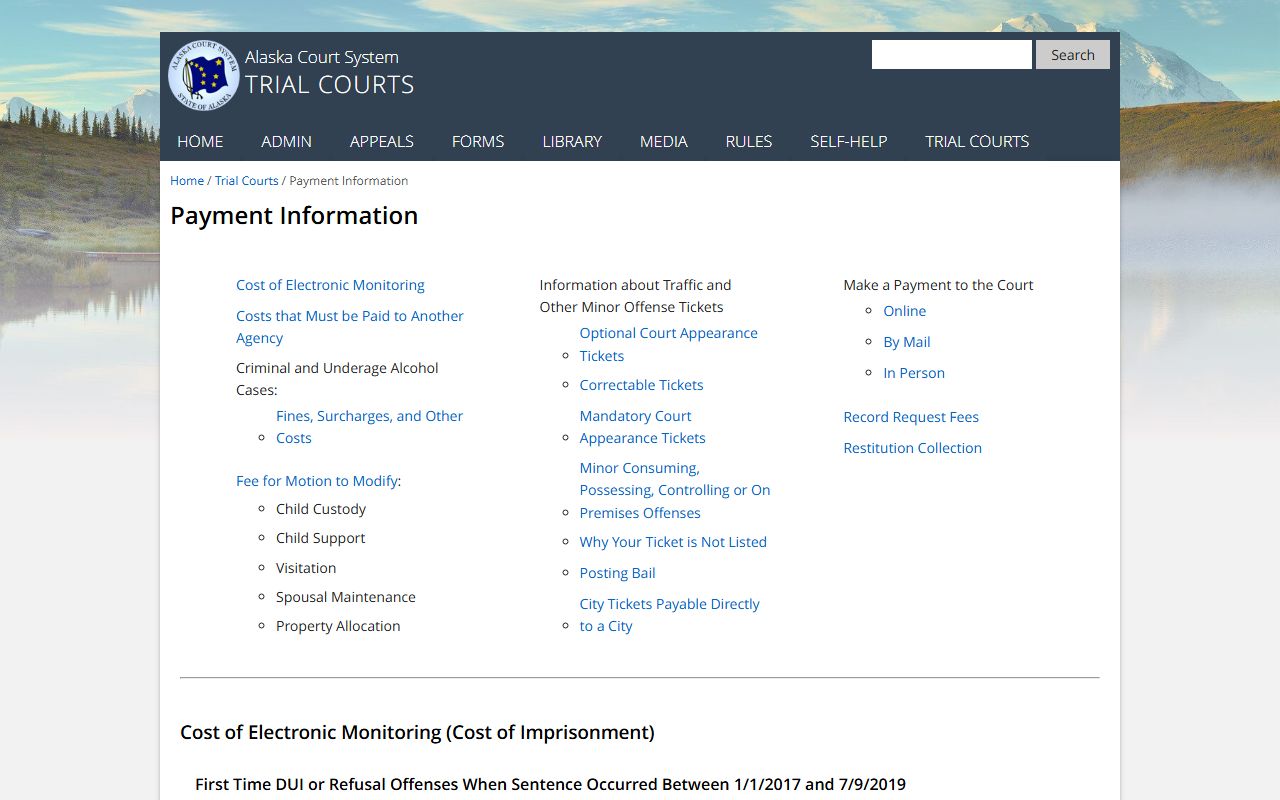
That official state fallback image keeps the page grounded in court guidance, which is the right frame when a ticket is moving from search to an actual court date.
Knik-Fairview Traffic Ticket Records Payments
The court payment page at courts.alaska.gov/trialcourts/payments.htm explains how traffic and other minor offense tickets are paid in Alaska. For Knik-Fairview traffic ticket records, that page matters because it helps separate a court case from a city citation. If the ticket is still a recent municipal matter, the payment path may be different. If the file is already in CourtView, the court payment page is the safer guide. Reading that page before you act can keep you from sending money to the wrong office.
The CourtView information page also matters at this step. It explains that balances can move to collections and that online case details do not always show the whole file. That is important for Knik-Fairview traffic ticket records because a ticket can look simple until the balance changes or the clerk marks the matter as transferred. If the old citation is not where you expected, CourtView can show whether the case is still active, paid, or in a collection phase that needs a different contact route.
For people who need a fast route to the right desk, the Palmer court directory gives the fax number at (907) 746-8152 and the records email at 3PACopyRequests@akcourts.gov. Those contacts help when you need copies instead of a status check. They also help if the search turns into a request for the actual paper file. Knik-Fairview traffic ticket records often move faster when you know whether you need a payment page, a copy request, or a simple call to the clerk.
Note: The Palmer clerk office closes Wednesday mornings from 8 to 9 a.m., so Knik-Fairview calls and copy requests work best outside that window.
Knik-Fairview Traffic Ticket Records Forms
The forms catalog at courts.alaska.gov/forms/index.htm is the official place to look when Knik-Fairview traffic ticket records need paperwork. If the case needs a response, a hearing request, or a copy-related filing, the forms page keeps you in the same system the court already uses. That lowers the chance of using the wrong form or an outdated version. It also keeps the search tied to court language instead of a third-party template that does not match the current process.
The DMV points page at dmv.alaska.gov/driver-services-adjudication/points/ belongs in the same search set because traffic tickets can change a driver record even after the court file is closed. Alaska assigns point values to moving violations, and the state explains when those points can lead to suspension or revocation. That means Knik-Fairview traffic ticket records are not only about the ticket itself. They can also affect how the DMV treats the license after the court step ends.
The Alaska DMV homepage at dmv.alaska.gov rounds out the official search path. For Knik-Fairview traffic ticket records, the cleanest workflow is to use the Palmer directory first, then CourtView, then the hearings page, then payments, and finally the forms and DMV pages if the case needs more than a quick look. That keeps the whole search local, official, and tied to the records that actually control the case.